
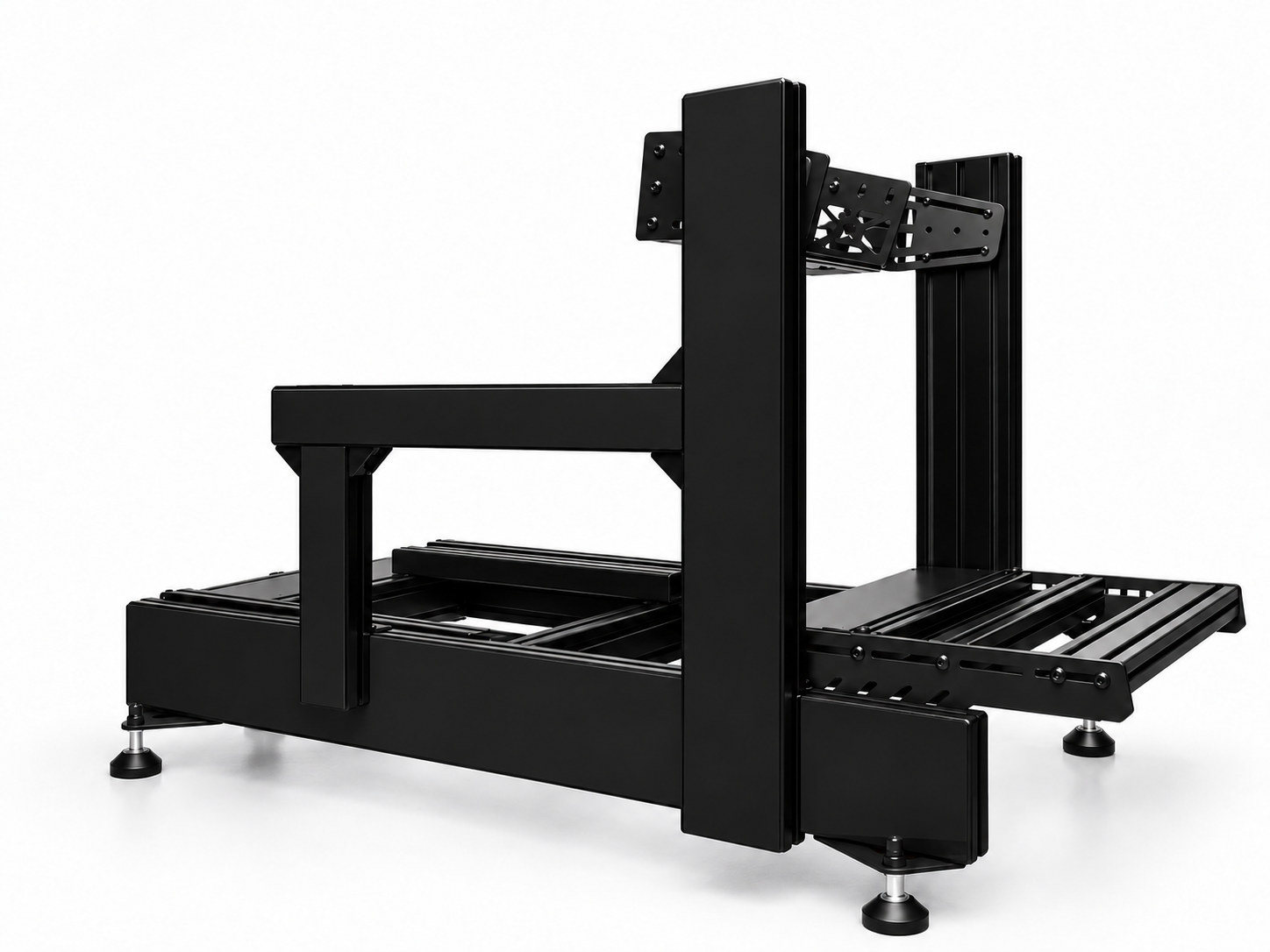

When people think “immersion upgrades”, they picture motion platforms and triple screens. Wind simulation feels almost too simple… until you try it.
A well-set wind setup does two things:
- It adds speed sensation (especially in open-wheel cars and VR)
- It keeps you cooler in long stints (which helps consistency)
DIY vs kits: what’s the difference?
Both can work. The decision comes down to time and comfort with tinkering.
- DIY: cheaper, flexible, but requires planning mounts, power, and control.
- Kits: quicker, cleaner, but less customizable.
Where to mount fans for best effect
- In front of the wheelbase: most direct, strongest speed sensation.
- Above monitors / behind monitor line: keeps your setup tidy, but can be less intense.
- Side-mounted: helpful if you want airflow without blasting your face.
Safety and reliability (don’t skip this)
Fans are simple, but they can still create problems if mounted badly:
- Secure them properly — no “temporary” mounts that can fall into your wheel or pedals.
- Keep cables away from moving parts and footwork areas.
- Use safe power solutions. If you’re not comfortable with wiring, stick to plug-and-play parts.
Wind sim + cable management = a happier rig
Wind sim is usually the moment rigs get messy: extra power bricks, extra USB, extra wires. Treat it like a proper upgrade.
- Mount power strips so they don’t hang off the rig.
- Route cables along profile channels.
- Leave service loops so you can adjust the seat/wheel without yanking connectors.
Wind sim isn’t a lap time cheat. But staying cooler and more comfortable can make you more consistent — and consistency wins races.

Share:
Where to place your monitors: Behind the wheelbase vs over the wheel
F1 24 setup guide: Cockpit and seat recommendations for consistent laps