MOZA R9 V2 vs R9 V3: What Changed and Is the V3 Worth It?
The MOZA R9 V2 and R9 V3 deliver the same 9 Nm maximum torque, so the V3 is not a power upgrade in the traditional sense. The meaningful changes are inside the wheel base. MOZA upgraded the encoder, cooling system, slip ring and force feedback processing while keeping the R9 in the same compact mid range direct drive category.
For a new buyer, the R9 V3 is the version to choose because it combines the established 9 Nm output with newer sensing and thermal hardware. For an existing R9 V2 owner, the decision is more nuanced. If the V2 is working well, replacing it purely for more torque makes little sense because peak output is unchanged. The V3 becomes more interesting when finer steering resolution, improved long session consistency or newer hardware compatibility matters.
This guide explains the verified differences between the R9 V2 and R9 V3, what those changes mean in practice and when an upgrade is worthwhile.
Table of Contents
- Quick answer
- R9 V2 and R9 V3 specifications
- Encoder and steering resolution
- Cooling and long session performance
- Force feedback processing
- Compatibility and ecosystem changes
- Should R9 V2 owners upgrade?
- Which MOZA wheel base should a new buyer choose?
- Frequently asked questions
Quick Answer: R9 V2 or R9 V3?
Choose the R9 V3 when buying a new 9 Nm MOZA wheel base. It keeps the same 9 Nm torque level and 1000 Hz USB refresh rate as the V2, while adding a 21 bit magnetic encoder, intelligent active cooling, an upgraded industrial conductive slip ring and MOZA NexGen 4.0 force feedback processing.
Keep the R9 V2 when you already own one and are satisfied with its performance. The V3 is a refinement of the R9 platform rather than a higher torque replacement. Existing V2 owners looking for a clearly stronger steering experience should usually compare the cost of upgrading with moving to a higher torque class instead.
MOZA R9 V2 vs R9 V3 Specifications
| Specification | R9 V2 | R9 V3 |
| Maximum torque | 9 Nm | 9 Nm |
| Encoder | 15 bit | 21 bit magnetic encoder |
| USB refresh rate | 1000 Hz | 1000 Hz |
| Force feedback generation | Earlier R9 processing | NexGen 4.0 |
| Cooling | Standard temperature management | Intelligent active cooling |
| Slip ring | Earlier generation | Industrial conductive slip ring rated above five million revolutions |
| Platform | Windows PC | Windows PC |
The key point is that both bases remain in the same 9 Nm performance class. The V3 improves precision, electronics and thermal management rather than increasing the headline torque figure.
The Biggest Change: 21 Bit Encoder Resolution
The R9 V2 uses a 15 bit encoder with 32,768 steps. The R9 V3 moves to a 21 bit magnetic encoder with more than two million resolution points.
Encoder resolution determines how precisely the wheel base can measure steering shaft position. A higher resolution does not automatically create stronger force feedback, but it gives the control system finer positional information to work with. This is particularly relevant for subtle steering corrections, small force changes around the centre and detailed road effects.
In practical terms, the R9 V3 should be viewed as the more refined version rather than a dramatically different 9 Nm wheel base. The improvement is most valuable to drivers who are sensitive to fine steering detail and who use simulations with well developed force feedback output.
Cooling and Consistency During Longer Sessions
The R9 V3 adds intelligent active cooling. The system monitors temperature and manages cooling more actively than the earlier V2 design.
Thermal management matters because a direct drive wheel base must maintain consistent motor behaviour during longer races. The benefit is not additional peak torque, but greater confidence that the base can sustain its intended performance as internal temperature changes.
For short sessions at moderate settings, an R9 V2 owner may notice little practical reason to change. Drivers who regularly run long endurance sessions or use high force settings are more likely to value the V3 cooling changes.
NexGen 4.0 Force Feedback Processing
MOZA lists NexGen 4.0 as one of the R9 V3 hardware and performance upgrades. The newer force feedback generation is designed to make response more precise and controlled while using the improved encoder information available to the V3.
This is another reason not to judge the two bases only by their 9 Nm torque figure. Two wheel bases can produce the same maximum torque while differing in how accurately and consistently they reproduce smaller forces.
Software still matters. Correct MOZA Pit House settings, in game force feedback settings and the quality of the simulation itself all influence the final result.
Updated Slip Ring and Long Term Hardware Design
The R9 V3 uses an industrial grade conductive slip ring rated for more than five million revolutions. This component carries signals through the rotating assembly and is part of the broader V3 hardware revision.
For most buyers this is not a feature that changes the first driving session. It is better understood as an engineering update aimed at durability and reliable communication through repeated long term use.
Compatibility: What Changed from Earlier R9 Generations?
The largest compatibility break in the R9 family happened between V1 and V2. MOZA states that the R9 V2 supports the ES Steering Wheel, while the original V1 does not. The V3 continues the newer ecosystem direction while adding its revised internal hardware.
If you are buying accessories for an older used R9, confirm the exact hardware revision before ordering. R9 V1, V2 and V3 should not be treated as identical simply because all three carry the R9 name.
Should an R9 V2 Owner Upgrade to R9 V3?
For most existing R9 V2 owners, an immediate upgrade is not essential.
Keep the R9 V2 when:
- You are satisfied with its 9 Nm force level.
- The base remains stable during long sessions.
- Your current steering wheels and accessories work correctly.
- You would prefer to save the upgrade budget for pedals, a steering wheel or a stronger future wheel base.
Consider the R9 V3 when:
- You specifically want the newer 21 bit encoder.
- Long session thermal consistency is important.
- You want the latest R9 hardware revision rather than buying another older generation.
- Your current R9 is being replaced anyway.
If the main goal is substantially stronger force feedback, moving from 9 Nm V2 to 9 Nm V3 will not provide that. In that situation, compare a higher torque wheel base instead.
Which MOZA Wheel Base Should a New Buyer Choose?
The MOZA R9 V3 is the logical current choice for buyers who want a compact 9 Nm direct drive base. It sits above the MOZA R5 class while remaining below the 12 Nm MOZA R12 V2.
Choose the R9 V3 when 9 Nm is the target and you want the latest R9 electronics. Choose the R12 V2 when additional torque headroom is worth the extra cost and your cockpit can support it.
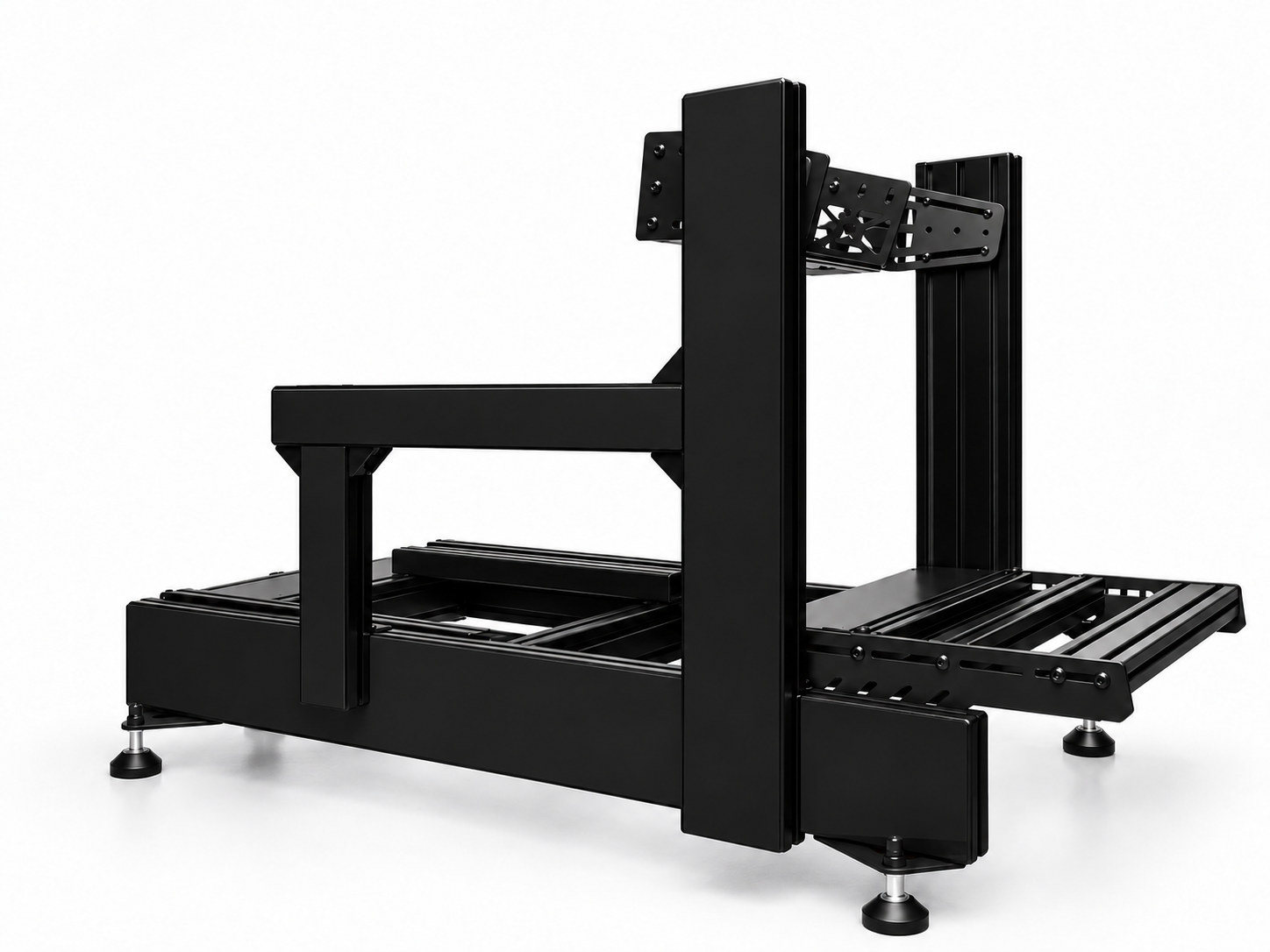
The cockpit should remain rigid enough for the selected wheel base. A stable wheel mount and pedal platform are more useful than choosing a stronger base that causes the structure to flex.
Conclusion
The MOZA R9 V3 is a meaningful technical revision of the R9 platform, but it is not a higher torque replacement for the R9 V2. Both produce 9 Nm. The V3 adds a 21 bit magnetic encoder, intelligent active cooling, an upgraded slip ring and NexGen 4.0 force feedback processing.
For a new purchase, choose the V3. For an existing V2 owner, upgrade only when the newer sensing, cooling and internal hardware solve a real need. If stronger force feedback is the objective, moving to a higher torque class is the more direct upgrade.
Frequently Asked Questions
Does the MOZA R9 V3 have more torque than the R9 V2?
No. Both versions are rated at 9 Nm maximum torque.
What is the main R9 V3 upgrade?
The most visible specification change is the move from a 15 bit encoder to a 21 bit magnetic encoder. The V3 also adds active cooling, a revised slip ring and NexGen 4.0 force feedback processing.
Is the R9 V3 worth upgrading to from an R9 V2?
Not for torque alone. It is more relevant when you want the latest R9 precision, thermal management and internal hardware.
Does the R9 V2 support the MOZA ES Steering Wheel?
Yes. MOZA identifies ES wheel compatibility as one of the key changes introduced with the R9 V2 compared with the V1.
Is the R9 V3 suitable for a SimXPro cockpit?
Yes. Choose a cockpit and wheel mounting configuration that comfortably supports a 9 Nm direct drive base and the braking forces of your pedal set.
Choose the Current R9 Generation
For a new 9 Nm MOZA setup, the MOZA R9 V3 Direct Drive Wheel Base is the current generation choice. Compare it with the R5 class for a more accessible setup or the R12 V2 when additional torque headroom is the priority.